

Athens is not only defined by its ancient monuments but also by its squares; public stages where history, politics, everyday life, and nightlife intertwine. Each square carries its own personality, reflecting different eras, communities, and rhythms of the city. Exploring them is one of the most authentic ways to understand Athens beyond the postcards.
Syntagma Square
A symbol of Greece’s political history, Syntagma Square owes its name, meaning “Constitution”, to the pivotal events of 1843, when a popular uprising forced King Otto to grant Greece its first Constitution. Dominating the square is the imposing neoclassical building of the former royal palace, today home to the Hellenic Parliament.
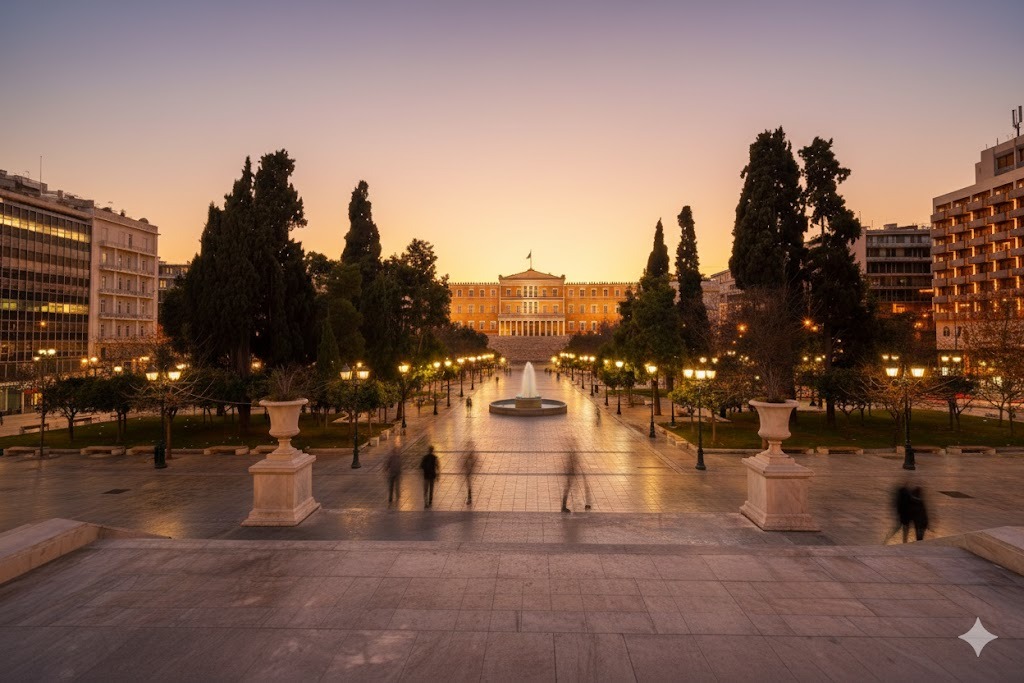
Credits: AI-generated
More than a political landmark, Syntagma is a cultural crossroads. From here, Athens fans out toward Kolonaki, Plaka, Monastiraki, and Psirri, making the square a central hub for both locals and visitors. It’s a space of collective memory, the backdrop of historic protests, celebrations, and movements and one of the most photographed points in the city.
Omonia Square
Omonia Square has lived many lives. Once known as Palace Square and later Othonos Square, it has continuously transformed alongside Athens itself. Its iconic circular layout and fountain date only to the late 1950s, while earlier changes included the construction of the electric railway station in the 1930s and the arrival of Metro Line 2 in the early 2000s.
At its centre stands the Pentacycle sculpture by George Zongolopoulos, a modern artistic landmark. On the southern side, architectural gems such as the Bagkeion and Megas Alexandros hotels designed by Ernesto Tsiller echo the city’s neoclassical past, alongside the nearby National Theatre. Today, Omonia is a dynamic, sometimes chaotic meeting point, frequented by tourists but shaped largely by immigrant communities who give the area its raw, multicultural character.
Kolokotroni Square
Anchored by the Old Parliament House -now the National Historical Museum– Kolokotroni Square is steeped in political and revolutionary history. The imposing statue of General Theodoros Kolokotronis, hero of the Greek War of Independence, dominates the space. The building itself witnessed defining moments, from the assassination of Prime Minister Theodoros Deligiannis to the proclamation of the First Hellenic Republic.
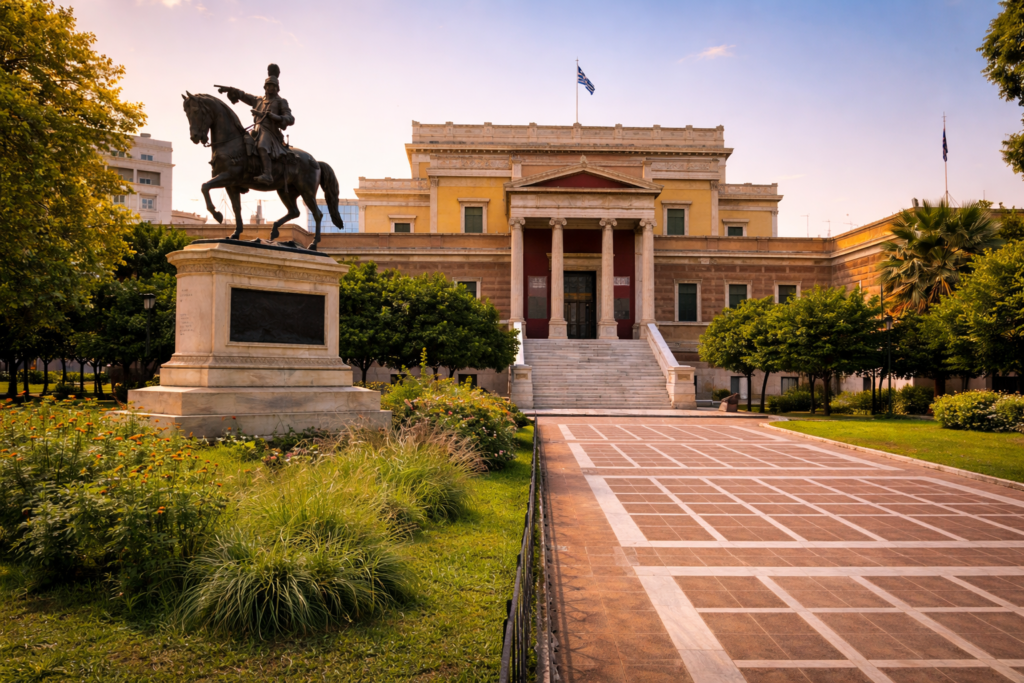
Credits: AI-generated
Despite its modest size, the square acts as a gateway to some of Athens’ best nightlife. Kolokotronis’ statue famously points toward the arcade leading to Stadiou Street, a centre of Athenian bar culture for decades. Nearby, there is a ‘Stoa’ that hosts favourite spots offering a relaxed stop for coffee or drinks. History and hedonism coexist effortlessly here.
Dexameni Square
At the foot of Lycabettus Hill in Kolonaki, Dexameni Square combines tranquillity with intellectual heritage. Its roots go back to the 2nd century BC, when the Hadrian Reservoir was constructed as part of Emperor Hadrian’s aqueduct system. By the late 19th century, the square became a beloved meeting point for Athens’ literary elite, attracting figures such as Papadiamantis, Varnalis, Sikelianos, and Vlachogiannis.
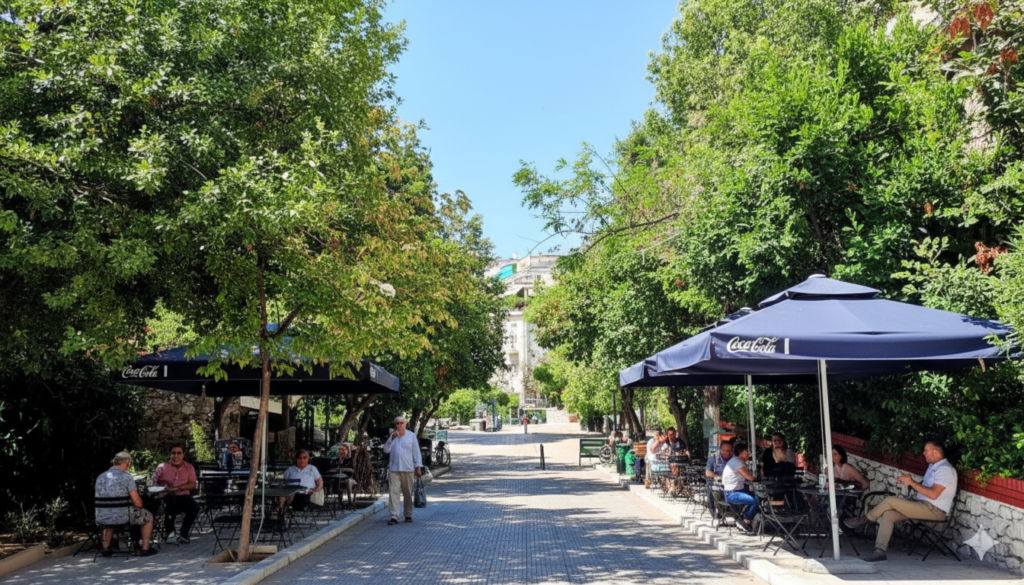
Credits: AI-generated
Its name (meaning tank) is also connected to an ancient watering system. The original reservoir was built to store water from the springs of Parnitha, supplying the city with water. After being discovered by the next generations, it became a public pool for children to play during 1939 approximately.
Today, Dexameni feels almost village-like, especially on weekends when the café-meze fills with chatter and the playground buzzes with life. In summer, you can even experience one of Athens’ most atmospheric open-air cinemas named after the square. Jazz bars and relaxed hangouts in the surrounding streets complete its gentle, cultured charm.
Karytsi Square
Just beyond Klafthmonos Square, Karytsi Square takes its name from the Church of Agios Georgios Karytsis, founded in the 11th century by the influential Karytsis family. Severely damaged during the Revolution of 1821, the church was restored by 1849 and remains a spiritual and social anchor for the neighbourhood.
The square is surrounded by layers of cultural history: A popular active theatre stands nearby, while the old Literary Society Parnassos (founded in 1865) continues to host artistic events and contests. Across the way, the Museum of the City of Athens (the former “Old Palace”) traces the city’s evolution. Once home to major publishing houses and newspapers, the area still carries an intellectual, theatrical energy.
Proskopon Square
Between Pausanias, Arrian, and Archelaus streets (among Hilton and Pangrati areas, close to Megaron, the Athens Concert Hall, and Eleftherias Park), Proskopon Square is small but full of life. It gained cultural prominence thanks to composer Manos Hadjidakis, who made Magemeno Avlo his regular haunt, attracting artists and thinkers.
Today, the square remains lively and sociable. Cafés around are longtime favourites for quality coffee and laid-back vibes, loved across generations. Opposite, there are refined food and cocktail places, while nearby are bistros known for mature flavours and atmosphere. Proskopon proves that size doesn’t define significance.
Agiou Georgiou Square (Kypseli)
Ag. Georgiou Square in Kypseli is one of Athens’ most vibrant and authentic spaces. Known for its culinary diversity and neighbourhood taverns, the square reflects Kypseli’s multicultural soul. The Sacred Catholic Church of Saint Therese stands out as a powerful symbol of community; every Sunday, Afro-Greek congregations fill the church with music, colour, and joyful worship.
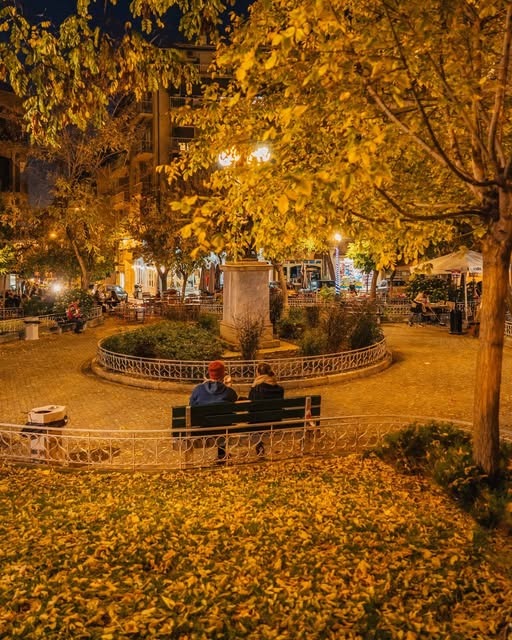
Source: This is Athens
Surrounding streets are dotted with tailoring shops run by Eastern European and Asian women, offering affordable craftsmanship. As the day fades, teenagers gather on the church steps and benches, chatting, flirting, and sharing beers. It’s a square that feels alive, inclusive, and perfect for a slow Sunday stroll filled with local food (‘mezedes’), conversation, and people-watching.
Agias Irinis Square
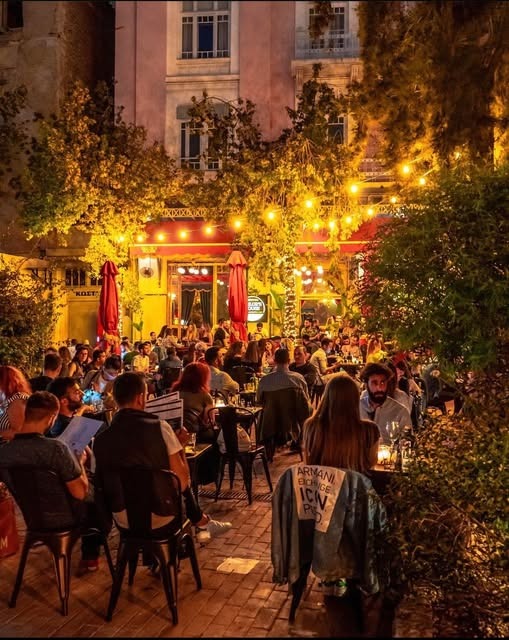
Where Ermou Street ends and Aiolou begins, Agias Irinis Square opens up around the historic church inaugurated in 1850. The church impresses with its rare blend of Renaissance and Byzantine murals and a beautifully gilded iconostasis.
Credits: Tailor’s House
The square is a long-standing meeting point, home to a touristy, multi-space with the most known traditional Greek doughnut place, boutique hotels, spaces to play chess or other boarding games, presentation or performance arts room, and a secret theatre. By day, coffee lovers gather here, while evenings bring retro bars, French-bistro vibes, comfort food spots for pavement dining, and relaxed cocktail joints.
Agion Theodoron Square
Just below Klafthmonos Square, Agion Theodoron is one of Athens’ rising stars. Its cobblestoned setting is dominated by a unique semi-submerged brick church, dating back to the mid-11th century (recently renovated).
In recent years, the square has undergone a culinary revival. Vermouth bars and Neapolitan wood-fired pizzas, Greek meze made from local, small-producer ingredients, and bold, indulgent options for burger lovers, and spots for Gen Z-Millenials to grab a cocktail by the street and just vibe are all nearby. History and cool gastronomy blend beautifully here.
Plateia Amerikis
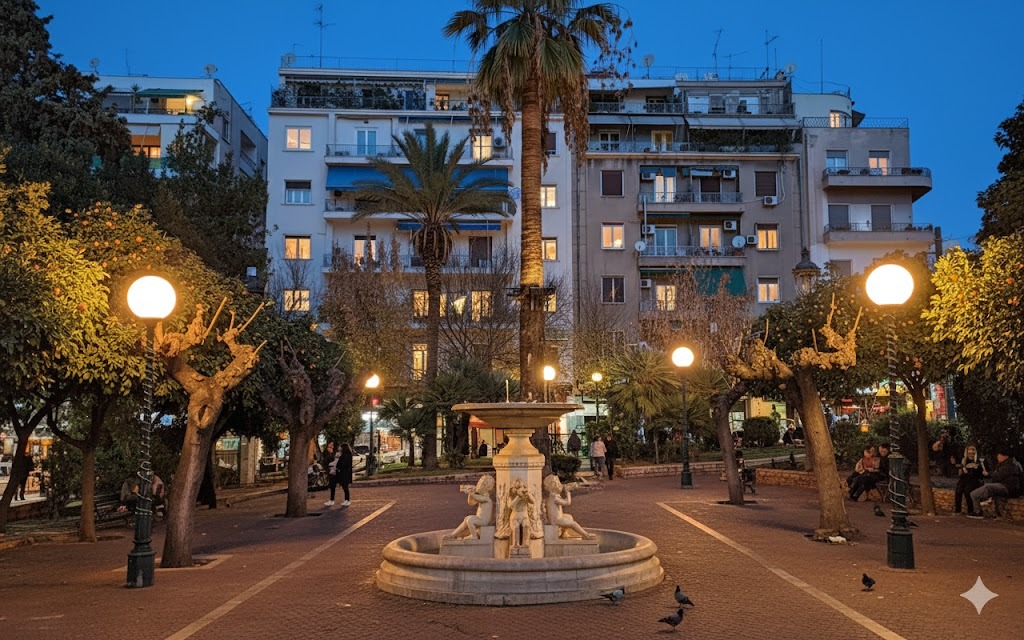
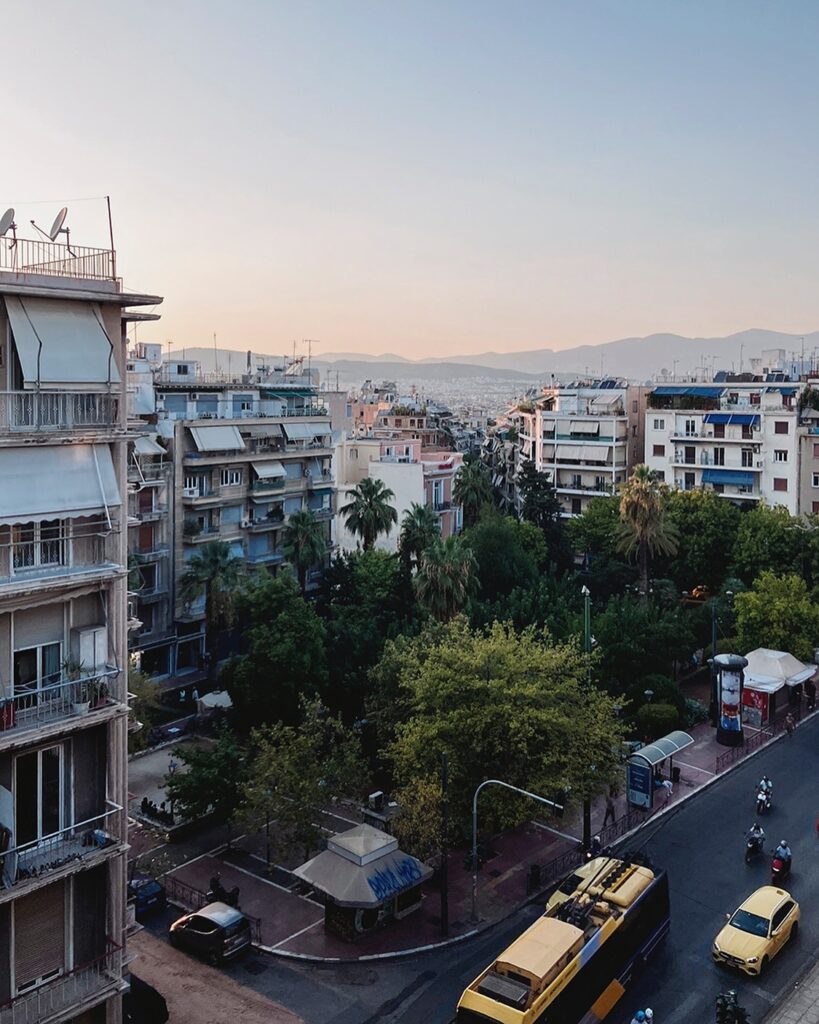
Plateia Amerikis sits close to some of Athens’ most underground neighbourhoods, where social contrasts are especially visible. Between Victoria and Kypseli, immigrant communities, refugees, and autonomous cultural groups shape a vibrant multicultural landscape.
Credits: AI-generated
Here, you’ll find falafel spots and ethnic eateries alongside budget bazaars selling everything from clothes to gadgets. It’s a place to explore the city’s real diversity; unpolished, honest, and deeply revealing of Athens’ social fabric.
Source: Lost Athina
Eleftherias Square Park
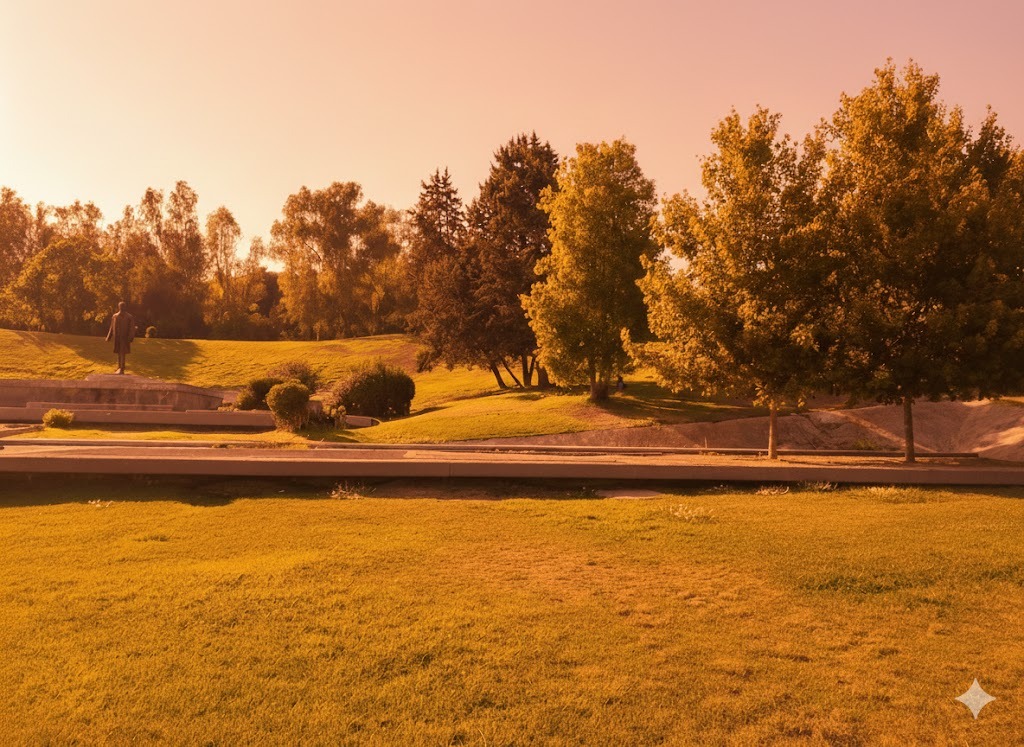
A calm green escape, Eleftherias Square Park is ideal for picnics, relaxed conversations, and reflective walks. Its proximity to the Athens Concert Hall makes it a perfect cultural pairing, nature and music, rest and inspiration. Inside, if you look well inside, you might discover the Athens Book Space where you can find printed and digital books for free and open to all ages.
Credits: AI-generated
Koukaki Square
Koukaki Square offers a cosy, neighbourhood feel. Surrounded by old cafés, small coffee spots, and beloved brunch places, it’s ideal for slowing down. Once close to an area run by a river, its greenery now provides a space to recharge with sweets, delicacies, and quiet reflection, really close to the historic centre. Just sit next to the ‘rakadika’ (mini traditional, casual Greek restaurant or tavern) and meet the locals.
Kotzia Square
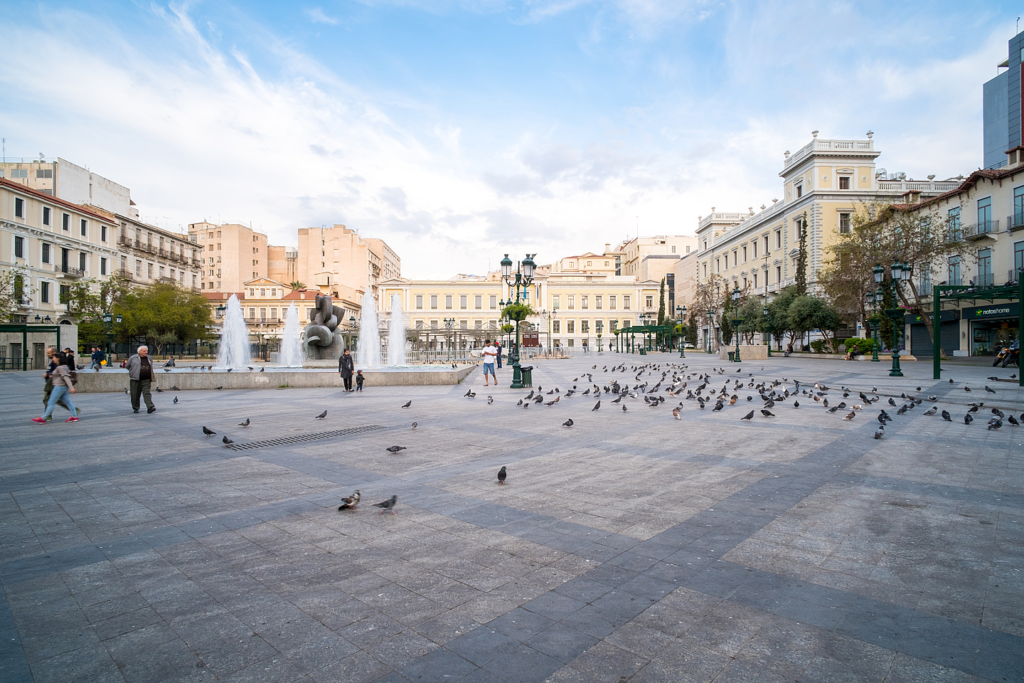
Kotzia Square, located in front of Athens City Hall, reflects the turbulent history of the modern Greek state through its many name changes, before finally being dedicated to Konstantinos Kotzias. Kotzias served as mayor of Athens from 1934 to 1936 and is particularly remembered for commissioning the refugee apartment buildings along Alexandras Avenue, built to house Greek refugees arriving from Turkey.
Once a vibrant meeting point at the heart of the city situated between the Municipal Theater of Athens, the National Bank, and the central post office. Kotzia Square has gradually fallen into decline, mirroring the broader downturn of Athens’ historic commercial center throughout the years.
Yet various events and festivals occasionally continue to happen during celebration periods hosting families and friends, while you will see plenty of skaters practising their moves and immigrants chilling. It is super close to the historic and pedestrianized Aiolou Street (named after Aeolus, the god of winds in Greek mythology), a busy market of old merchants selling leather goods, textiles, fabrics, and other scarce ornaments.
Source: Documenta14
Avdi Square
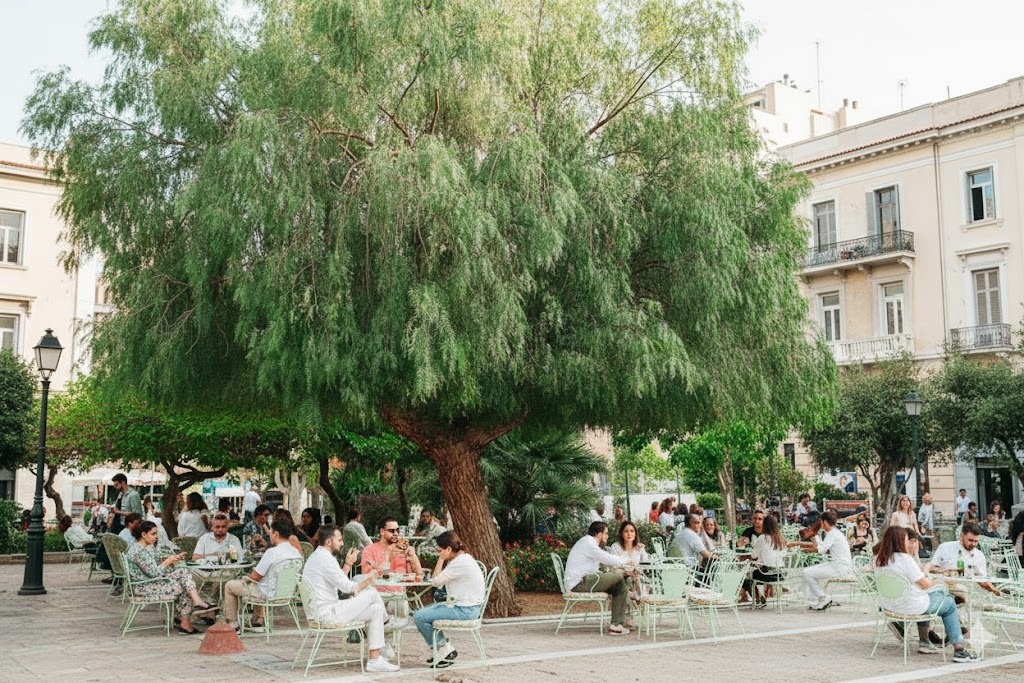
In the heart of Metaxourgeio, Avdi Square is a peaceful pocket framed by Myllerou, Leonidou, Giatrakou, and Kerameikou streets. Once known as Dourouti Square, it takes its current name from the silk factory of Athanasios Douroutis, a symbol of early Athenian industrialisation. It’s also next to the Municipal Gallery of Athens if you -as a culture lover- want to pass by any periodic exhibition that it might hold.
Credits: AI-generated
The area still carries traces of its working-class past, with metal workshops, woodworking factories, and printing houses — some active, others abandoned. Today, the square balances greenery with excellent spots for coffee, wine, soft cocktails, and local food. Quiet yet characterful, Avdi Square feels like a pause between Athens’ past and future.
Mavili Square
Mavili Square is located on Vasilissis Sofias Avenue, in the Ampelokipi area, just below Lycabettus Hill. Named after the poet Lorentzos Mavilis, the square features his bust alongside that of iconic Greek actress Aliki Vougiouklaki, as well as a striking statue depicting a woman after labour, a quiet but powerful symbol embedded in the urban landscape.
Its surroundings underline its importance: the American Embassy stands nearby, the Megaron, the Athens Concert Hall is just below, and the square itself is a major transportation hub with a metro station and numerous bus and trolley lines.
Credits: AI-generated
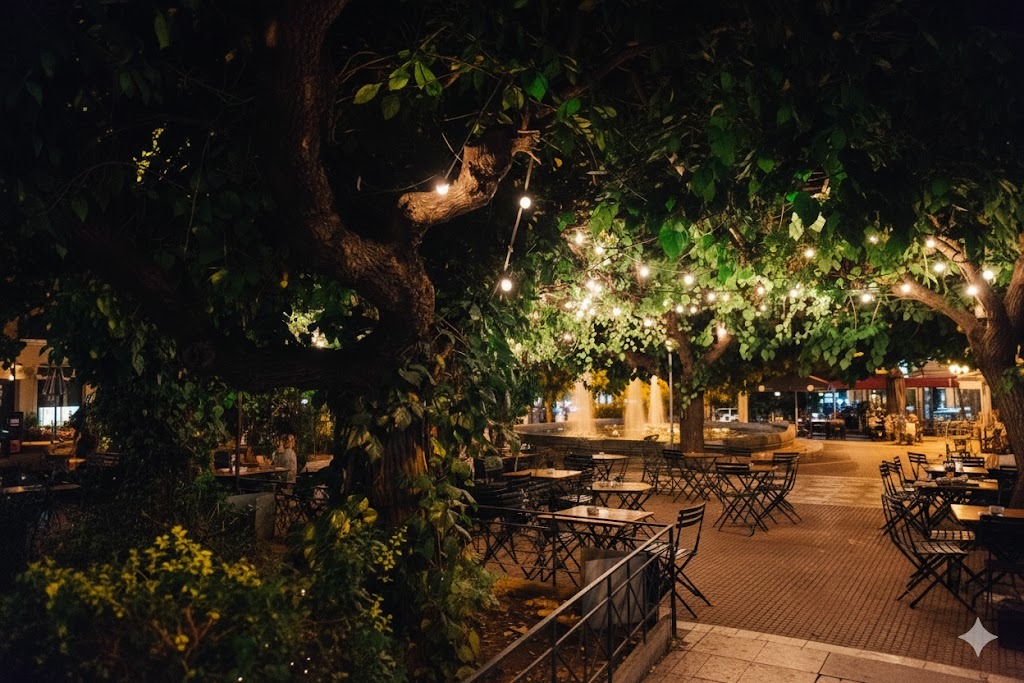
By night, Mavili Square is one of Athens’ most vibrant evening reference points, packed with bars, restaurants, and hangouts that attract a diverse crowd from across the city. At the same time, the square offers moments of calm, sitting by the fountain on one of the benches has a strangely meditative effect, allowing your thoughts to drift amid the hum of the city. Lively yet grounding, Mavili Square perfectly captures Athens’ ability to balance intensity with relaxation.
Monastiraki Square
One of the liveliest squares in Athens, Monastiraki Square rarely sleeps. By day, it buzzes with tourists and locals exploring its flea markets, fruit stalls, and souvlaki joints, while by night, the square transforms with rooftop cocktail bars offering sweeping views of the Acropolis.
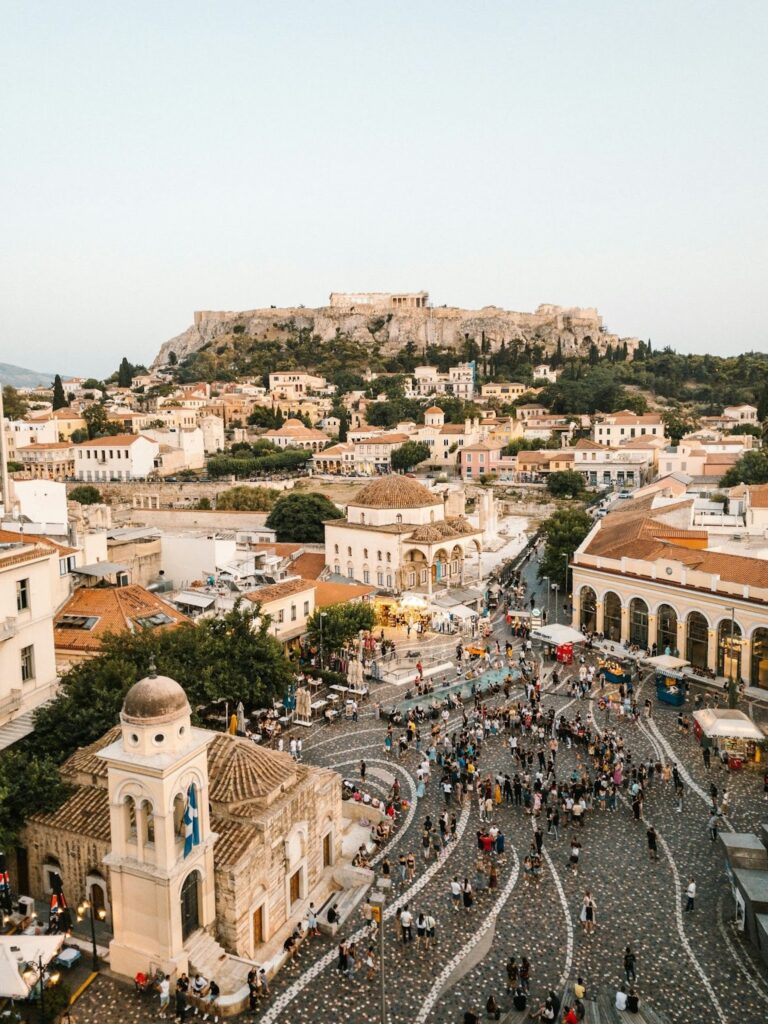
Monastiraki is more than a bustling hangout, it’s a crossroads of history. Every step connects you to Classical Athens, the Roman era, Ottoman rule, and modern Greek life, making it a living museum where past and present mingle seamlessly. Vibrant, chaotic, and endlessly photogenic, Monastiraki Square captures the heart of Athens in motion.
Whatever you do and choose, go with the flow ‘cause this is the authentic vibe of strolling around squares and hanging out with residents’ hotspots.
Cover Photo Source: This is Athens
Leave a Reply